Falls Prevention Exercises for Older People: Simple Ways to Stay Safe and Steady at Home
Nov 13, 2026 · By Jagdish Kaswala · 16 min read
Have you ever felt unsure of your footing when walking down the stairs? Perhaps you've recently had a fall, experienced a near miss, or become worried after someone close to you took a tumble. For many families, even the thought of an older relative falling while out alone can be a real source of anxiety.
Worrying about falls is completely understandable, particularly as we get older. However, losing confidence in your ability to move around doesn't have to mean giving up your independence. There are practical steps you can take to improve your balance, strengthen your muscles and reduce the chances of falling. Regular movement, a few straightforward exercises and some adjustments around the home can all contribute to safer everyday living.
In this guide, Speedwell Physio explains eight useful falls prevention exercises for older people, alongside simple ways to make your home safer. The advice is written in everyday language by physiotherapists experienced in supporting older adults in their own homes.
What is the best way to reduce the risk of falling?
A combination of regular strength and balance training, a safer living environment and appropriate health checks offers a good starting point. Activities such as getting up from a chair without assistance, raising your heels and practising controlled walking movements can help maintain the strength and coordination needed for everyday activities.
Small improvements, repeated consistently, can make a meaningful difference to your confidence and mobility.
Understanding Why Older People Are More Likely to Fall
Falls are a common concern among older adults. Although the risk can increase with age, falling should not simply be accepted as an unavoidable part of getting older. There are often several contributing factors, many of which can be addressed.
Some common reasons include:
Reduced muscle strength: As we become less active, the muscles in our legs and around our middle can gradually lose strength. This can make standing, climbing stairs and walking more challenging.
Changes in balance: Our ability to maintain stability can become less reliable over time. This may affect how easily we adjust our position when turning, reaching or walking on uneven surfaces.
Obstacles around the home: Everyday objects can become unexpected hazards. Trailing electrical cables, unsecured carpets, cluttered walkways and slippery flooring can all increase the likelihood of a trip.
Changes in general health: Conditions that cause dizziness, changes in blood pressure, reduced eyesight or hearing difficulties may affect how safely someone moves around.
Medication side effects: Certain medicines can contribute to tiredness, blurred vision or light-headedness, particularly when several medications are taken together.
A lack of confidence: Experiencing a fall can make someone anxious about moving around. Unfortunately, avoiding physical activity can lead to further muscle weakness and reduced balance, potentially increasing the risk of another fall.
Keeping active is therefore important. Building strength and maintaining regular movement can help older people remain independent for longer.
Staying Safe Before Starting Falls Prevention Exercises
Before attempting any new physical activity, it is important to consider your current mobility and general health.
Although the following exercises are relatively gentle, they still involve movements that challenge your muscles and balance.
Keep these safety points in mind:
- Use a reliable support: Exercise beside a secure kitchen worktop or a heavy, stable chair. Avoid relying on lightweight furniture that could move unexpectedly.
- Wear suitable footwear: Choose comfortable shoes with good grip and support. Avoid loose slippers or footwear that could slip off.
- Have someone nearby: If you are unfamiliar with balance exercises, ask a family member or carer to stay with you.
- Work within your limits: Begin gently and avoid pushing yourself to complete movements that feel uncomfortable or unsafe.
- Pay attention to symptoms: Stop immediately if you experience dizziness, chest pain, unusual breathlessness or sharp pain. Seek appropriate medical advice.
- Check before exercising: Speak to your GP or physiotherapist before starting if you have recently undergone surgery, have a heart condition, experience repeated dizziness or have fallen recently.
There is no need to hurry. Consistent, manageable activity is generally more helpful than attempting too much in one session.
Eight Simple Falls Prevention Exercises to Practise at Home
Exercises that improve lower-body strength, coordination and balance can help make everyday movements easier.
You don't necessarily need specialist equipment or a gym membership. Many useful movements can be practised at home using a sturdy chair or kitchen worktop for support.
Start with two or three exercises that feel manageable. As your confidence improves, you may be able to introduce additional movements with guidance from your physiotherapist.
1. Sit-to-Stand Practice
Standing up from a chair is something we do numerous times throughout the day. Practising this movement can strengthen the muscles in your thighs, hips and buttocks.
How to do it:
- Sit towards the front of a firm, stable chair.
- Position your feet comfortably on the floor.
- Lean your upper body slightly forwards.
- Push through your feet and gradually stand upright.
- Slowly lower yourself back into the chair.
Use your hands for support if needed. Focus on controlled movements rather than speed.
2. Standing Heel Raises
Strengthen your calves and improve walking ability.
Your calf muscles play an important role in walking and maintaining stability.
How to do it:
- Stand facing a kitchen worktop.
- Rest both hands on the surface for support.
- Slowly lift your heels so that you are standing on your toes.
- Pause briefly at the top.
- Lower your heels gently until your feet are flat again.
Try to avoid leaning forwards or relying too heavily on your arms.
3. Marching While Standing
Practise coordination and controlled leg movements.
Marching on the spot is a straightforward way to work on the movements involved in walking.
How to do it:
- Stand upright beside a stable support.
- Hold the worktop or chair firmly.
- Lift one knee a short distance.
- Lower your foot and repeat with the opposite leg.
- Continue alternating sides at a comfortable pace.
Keep your upper body upright and avoid rushing.
4. Sideways Stepping
Improves hip strength and sideways stability.
Being able to move sideways safely is useful when navigating furniture, doorways and other obstacles.
How to do it:
- Stand alongside a secure kitchen worktop.
- Hold the surface with both hands.
- Take a small step to one side.
- Bring your other foot towards it.
- Repeat for a few steps before returning in the opposite direction.
Keep your feet pointing forwards and maintain a comfortable posture.
5. Heel-to-Toe Balance Practice
Challenge your balance in a controlled position.
This exercise helps you practise maintaining stability when your feet are positioned close together.
How to do it:
- Stand beside a firm support.
- Place one foot directly in front of the other.
- Try to position the heel of your front foot close to the toes of your back foot.
- Hold the position briefly while maintaining your balance.
- Change the position of your feet and repeat.
Hold the worktop securely throughout. As your balance improves, your physiotherapist may suggest reducing the amount of support you use.
6. Standing on One Leg
Develop balance and control.
This exercise is more challenging and should only be attempted when you feel comfortable with the previous balance activities.
How to do it:
- Stand next to a sturdy kitchen worktop.
- Hold the surface firmly with both hands.
- Gently lift one foot a small distance from the floor.
- Maintain your position for a few seconds, if comfortable.
- Lower your foot and repeat using the other leg.
Never attempt this exercise without reliable support.
7. Gentle Weight Transfers
Practise shifting your body weight safely.
Our bodies constantly adjust their position when we walk, turn and reach for objects. Weight-shifting exercises help practise these movements.
How to do it:
- Stand with your feet comfortably apart.
- Hold a secure surface for support.
- Slowly transfer your weight towards your right foot.
- Return to the middle.
- Repeat towards your left foot.
Keep your movements gentle and controlled, without lifting your feet from the floor.
8. Regular Walking
Maintain mobility, stamina and confidence.
Walking is an accessible activity that can support general fitness and help maintain leg strength.
Start with a short walk around your home or garden if that is what feels manageable. Gradually increase the distance as your confidence and fitness allow.
Choose familiar, well-lit routes with even surfaces. Use your usual walking aid if you have been advised to do so.
If walking outdoors feels intimidating, a physiotherapist can help you work towards doing so safely.
How should you progress?
Don't feel that you need to master every exercise immediately. Begin with the movements you can perform comfortably while holding on securely.
Your physiotherapist can recommend suitable repetitions, frequency and progression based on your individual needs. Reducing hand support or making an exercise more challenging should only happen when it is safe to do so.
Eight Practical Changes to Make Your Home Safer
Improving physical strength is important, but preventing falls also involves looking carefully at the environment around you.
Many accidents happen during ordinary activities at home. Making a few adjustments can help remove unnecessary risks.
Here are eight areas worth checking.
1. Keep Walkways Clear
Make sure the routes you regularly use are free from obstacles.
Move shoes, bags, boxes and other belongings away from hallways and walking areas. Keep electrical cables tucked safely out of the way and avoid leaving objects on the floor.
A clear route between your bedroom, bathroom and living areas can make moving around much easier.
2. Check Your Rugs and Carpets
Loose rugs can move underfoot and create a tripping hazard.
Consider removing smaller rugs, particularly in busy walkways. If you want to keep them, use suitable non-slip backing to help prevent movement.
Also check carpets for raised edges, loose sections or damage.
3. Improve Lighting Throughout Your Home
Poor visibility can make it difficult to notice changes in floor levels, furniture and other obstacles.
Make sure hallways, staircases and frequently used rooms are properly illuminated.
Night lights can be particularly useful between the bedroom and bathroom. Keep a lamp or bedside light within easy reach so you don't need to walk around in darkness.
4. Install Appropriate Handrails and Grab Rails
Reliable support can make everyday movements safer.
If you regularly use stairs, consider having secure handrails installed. Rails on both sides can provide additional support where appropriate.
Grab rails near the toilet, bath or shower may also help with sitting down, standing up and moving around the bathroom.
Always ensure that rails are professionally fitted and suitable for the intended use.
5. Wear Supportive Footwear
The shoes and slippers you wear indoors can affect your stability.
Avoid loose-fitting slippers, worn-out footwear and shoes with slippery soles.
Choose footwear that fits properly, has a secure fastening or enclosed heel and provides good grip.
Comfort matters, but stability should be a priority.
6. Keep Everyday Items Within Easy Reach
Reaching up to high cupboards or bending down to low shelves can sometimes cause someone to lose their balance.
Reorganise frequently used items so they are stored at a convenient height.
Avoid standing on chairs or stools to retrieve belongings. If you need something from a high shelf, ask for assistance.
7. Make the Bathroom Safer
Bathrooms can become particularly slippery when water collects on the floor.
Consider introducing a non-slip shower mat, a suitable shower seat or grab rails where necessary.
Wipe up water spills promptly and make sure you have something stable to hold when getting in and out of the shower or bath.
An occupational therapist or physiotherapist can help identify suitable adaptations.
8. Keep a Way to Call for Help
Even with sensible precautions, accidents can still happen.
Keep your mobile phone somewhere accessible or consider wearing a personal alarm pendant if you are worried about being unable to reach a telephone after a fall.
This can provide reassurance for both you and your family.
If you are unsure which improvements would be most useful, a home assessment from a suitably qualified professional can help identify potential hazards.
Three Important Health Checks That Can Help Prevent Falls
Not every fall is caused by weak muscles or an obstacle on the floor. Sometimes an underlying health issue is responsible.
Alongside exercise and home improvements, it is worth discussing the following with your healthcare team.
1. Review Your Medication
Some prescribed and over-the-counter medicines can cause side effects such as drowsiness, dizziness or changes in blood pressure.
These effects may become more noticeable when several medicines are taken together.
Ask your GP or pharmacist whether your current medication could be affecting your balance.
Never stop taking prescribed medication without professional advice.
2. Arrange Regular Eye Tests
Good eyesight helps you identify obstacles, judge distances and recognise changes in the surface beneath your feet.
Changes in vision can happen gradually, so you may not immediately notice that your eyesight has deteriorated.
Regular eye examinations can help identify problems and ensure your glasses or contact lenses are appropriate.
3. Investigate Dizziness and Feeling Faint
Feeling light-headed when standing up should not be dismissed as a normal part of ageing.
Changes in blood pressure, dehydration and certain medical conditions can all contribute to dizziness.
If you regularly feel faint, unsteady or dizzy, arrange a medical assessment rather than simply trying to work around the problem.
Other concerns, including hearing difficulties, painful feet and sudden changes in memory or confusion, should also be discussed with a healthcare professional.
What Should You Do If You Fall?
Even when you take precautions, a fall can sometimes happen. Knowing how to respond can help prevent further injury.
The first thing to remember is not to panic or immediately try to stand up.
Instead:
- Take a moment to assess how you feel.
- Check whether you have injured yourself or experienced any significant pain.
- If you are injured, feel unwell or cannot get up safely, call for help.
- Keep yourself warm while waiting for assistance.
- If you are uninjured and physically able, follow a safe method of getting up using sturdy support, ideally one previously practised with a physiotherapist.
Never attempt to struggle to your feet if you are unsure whether you can do so safely.
When should you seek urgent medical attention?
Call 999 if you have a serious injury, severe pain, a suspected broken bone, a leg that appears deformed, or cannot put weight on your leg.
If you have hit your head and develop concerning symptoms such as drowsiness, confusion or vomiting, seek urgent medical assessment.
Even if you seem to have recovered without injury, let your GP know about the fall. Understanding what caused it may help prevent another incident.
How Can a Physiotherapist Help With Falls Prevention?
You don't have to wait until you have experienced a serious fall before seeking professional support.
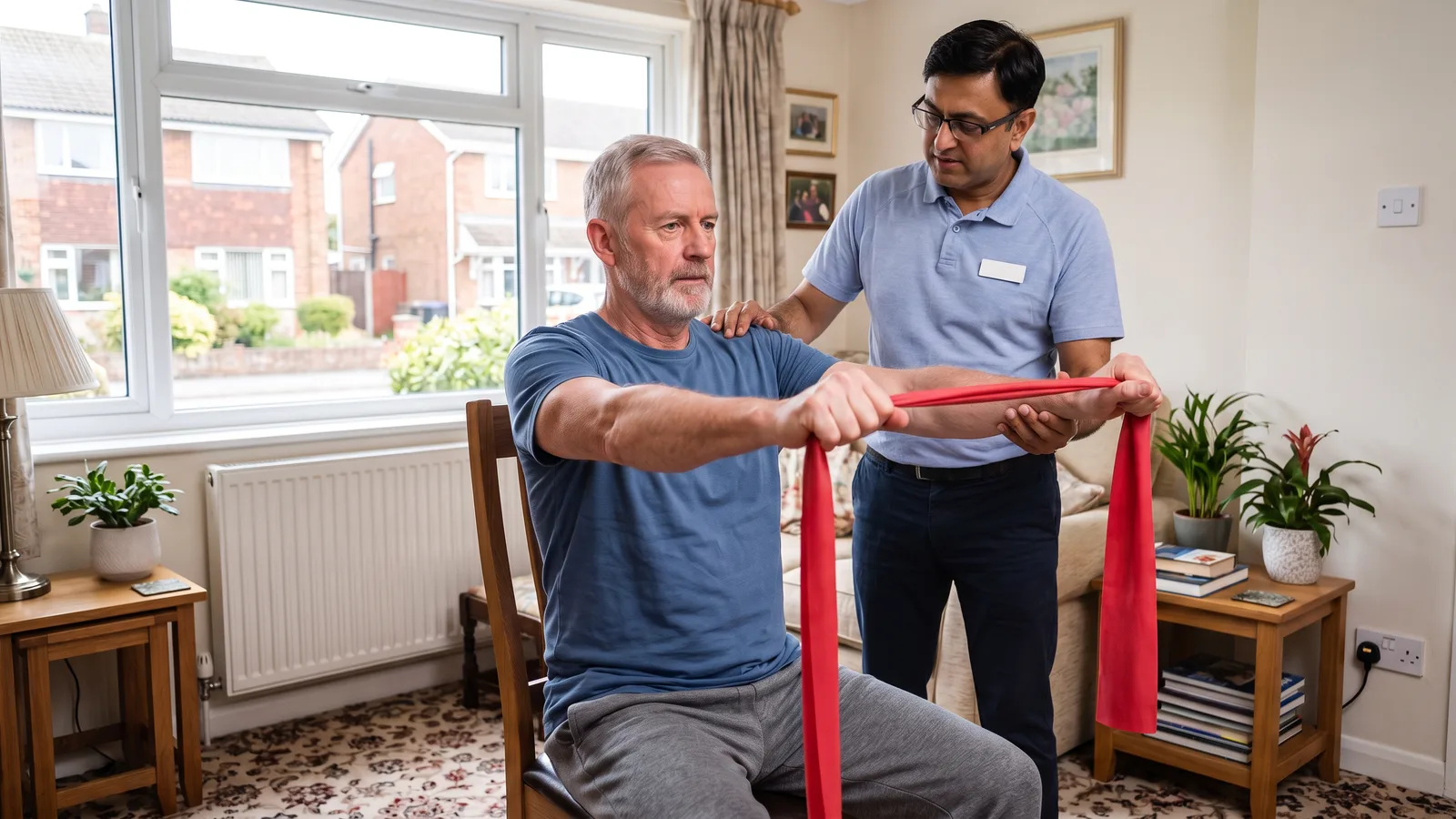
A physiotherapist can assess your movement, identify areas where you may need additional support and develop an exercise programme that reflects your current abilities.
Physiotherapy may be particularly beneficial if you:
- Feel less steady when walking or standing.
- Have experienced a recent fall or several near misses.
- Have become nervous about using stairs.
- Are rebuilding your strength following an operation or hospital admission.
- Use a walking stick or frame and want to check that it is suitable.
- Have noticed that everyday activities are becoming more difficult.
- Live alone and want to maintain your independence.
At Speedwell Physio, we provide physiotherapy and falls prevention support in the comfort of your own home.
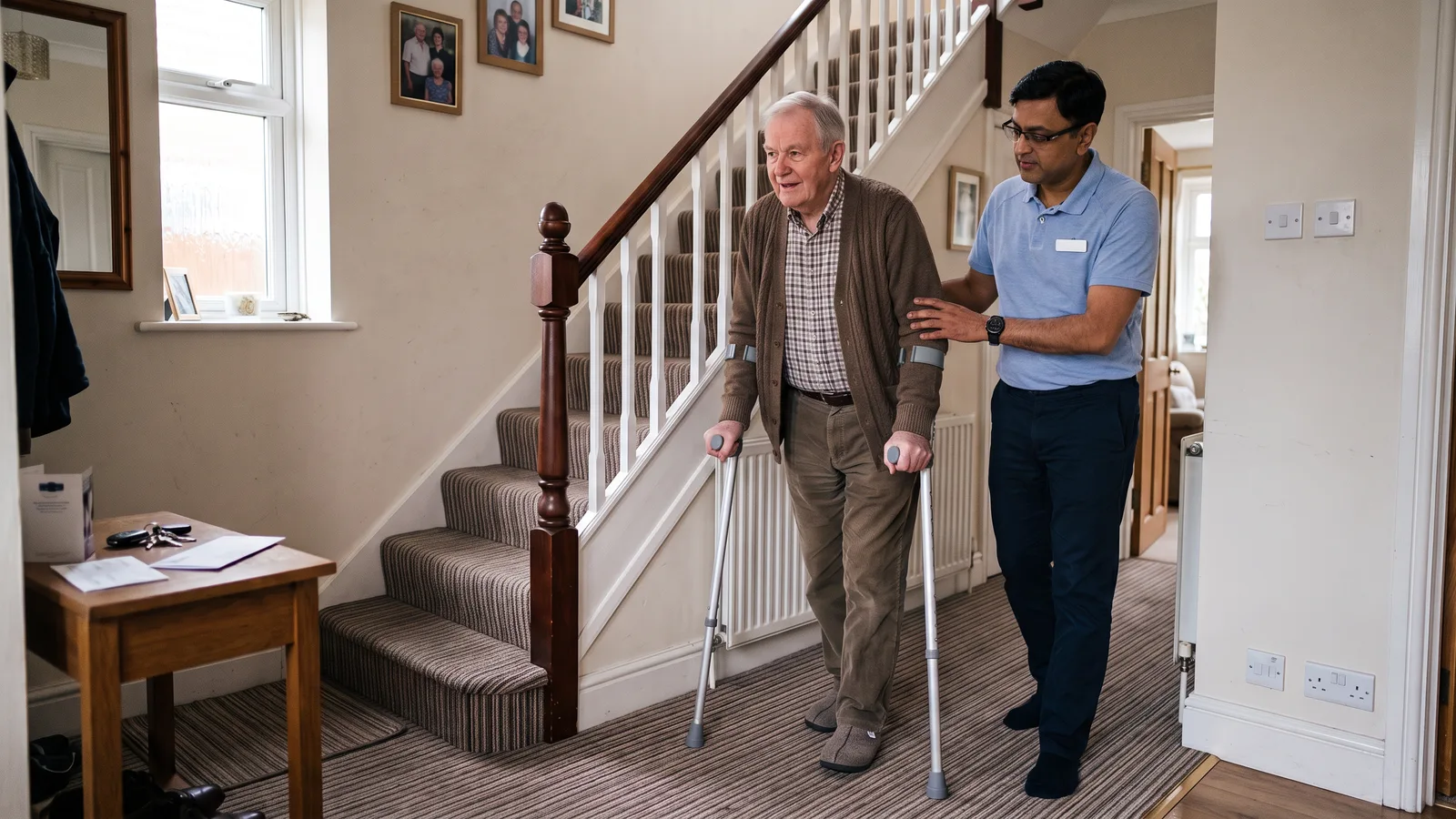
Rather than assessing you in an unfamiliar clinic environment, we can observe how you move around your own living space. This allows us to consider practical challenges such as your staircase, bathroom, kitchen and the routes you use every day.
Following an assessment, we can develop a programme aimed at improving strength, balance, mobility and confidence.
We also offer physiotherapy for older adults at home, helping people maintain their independence and manage age-related mobility difficulties.
You can contact us directly to arrange an appointment; a GP referral is not required.
Frequently Asked Questions About Falls Prevention for Older People
Which exercises are most effective for preventing falls in older adults?
Exercises that improve leg strength, balance and coordination are particularly useful. Sit-to-stand movements, heel raises, supported marching and appropriate balance exercises are good examples.
The most suitable activities will depend on your mobility, health and current level of fitness. A physiotherapist can help select and adapt exercises to meet your needs.
How regularly should older people practise balance exercises?
Regular practice is important. Many older adults benefit from incorporating strength and balance activities into their weekly routine, gradually building up as their ability improves.
The right frequency depends on the individual. Your physiotherapist can recommend an appropriate programme and explain how to progress safely.
Are falls prevention exercises suitable for someone who uses a walking frame?
Many people who use walking aids can still benefit from strengthening and balance activities.
However, exercises may need to be modified to accommodate your mobility and ensure that you remain safe. Ask your physiotherapist to demonstrate suitable movements before trying unfamiliar activities independently.
Should someone who is afraid of falling avoid going outdoors?
Avoiding movement altogether is rarely helpful. Becoming less active can contribute to weaker muscles, reduced stamina and poorer balance.
Instead, try to maintain an appropriate level of activity and gradually rebuild confidence. Starting with familiar surroundings and having someone accompany you may help.
If fear of falling is affecting your everyday life, speak to your GP or physiotherapist for support.
Can physiotherapy help after a fall?
Yes. Physiotherapy may help you regain strength, improve mobility and rebuild confidence following a fall.
An assessment can identify difficulties with balance, walking and everyday movements. Your physiotherapist can then recommend an appropriate rehabilitation programme.
Do I need a GP referral to arrange home physiotherapy?
No. You can contact Speedwell Physio directly to discuss arranging a home visit.
When booking, let the team know about any existing medical conditions, recent falls, operations or medications that may affect your mobility. This information helps the physiotherapist plan your assessment appropriately.
Take the First Step Towards Feeling Safer at Home
Being worried about falling can affect far more than your physical health. It can influence your confidence, independence and willingness to enjoy everyday activities.
However, you don't have to let that worry take over.
Working on your strength, practising appropriate balance exercises and making your home safer are all positive steps towards reducing your risk of falling.
Sometimes, a little professional guidance can make the process much easier.
At Speedwell Physio, we bring more than 20 years of UK physiotherapy experience directly to your home. Our physiotherapists are registered with the Health and Care Professions Council (HCPC) and the Chartered Society of Physiotherapy (CSP). We are also fully insured and DBS checked.
We provide home physiotherapy appointments across Aylesbury and the surrounding areas.
To find out whether we cover your location, visit our areas covered page.
If you or a family member would benefit from a falls prevention assessment or personalised balance training, we'd be happy to talk.
Call Speedwell Physio on 07901 082225.
Our telephone lines are open Monday to Saturday, 9am–7pm. Alternatively, you can contact us through our website to arrange a convenient appointment.
A conversation could be the first step towards moving with greater confidence and enjoying everyday life at home.
Please note: This article is intended for general information and educational purposes. It does not replace an individual assessment or medical advice from your GP or healthcare professional. Always seek appropriate guidance before starting exercises if you have health concerns, a recent injury or a history of falls.